Rumors of serious violence in Pakistan reached me while I was packing to move on to Bolivia. Two suicide bombers had blown themselves up on a Sunday morning in the largest church in Peshawar, close to the border with Afghanistan. More than 80 people died and 200 were seriously injured. The Taliban claimed the attack at once, calling it a protest against U.S. drone strikes on their hideouts in the region.
No plan for the minorities
Life became impossible there for the Christians, the largest of the minority groups. The wounded were mostly abandoned and died, often in severe pain, from infected wounds. For these minority groups there is no disaster plan: the Muslim government does not help, and the hospitals, run by Muslims, often refuse to treat them or treat them badly. I heard stories on the spot of Muslims administering lethal injections in some of these clinics.
Even moderate Muslims who wanted to help were afraid of retaliation from their own fundamentalist brothers.
Our own disaster plan was a bold one. Despite the mission's difficult finances, our medical and pastoral teams went out to help, through two teams and four expeditions, risking their own lives. Several more bombs went off in the same city and region while we worked: a suicide bombing in the public market, a bus full of children slain, and a road bomb that hit the WHO team hard enough to halt the polio vaccination campaign. Pakistan is one of the three countries in the world where polio is still endemic, and the Taliban accuses our medical teams of using the vaccine to sterilize Muslim children, a false accusation that puts us further in their sights. Even so, we were able to help 91 families who had been seriously injured or had lost family members, bringing them food, medicine and pastoral care. To my knowledge, no other help reached them from abroad. Doctors on Mission also helps individual cases in northern Pakistan: a 14-year-old boy, Raheel, was successfully operated on for a tumor, in a region hit again by heavy flooding.
Bolivia
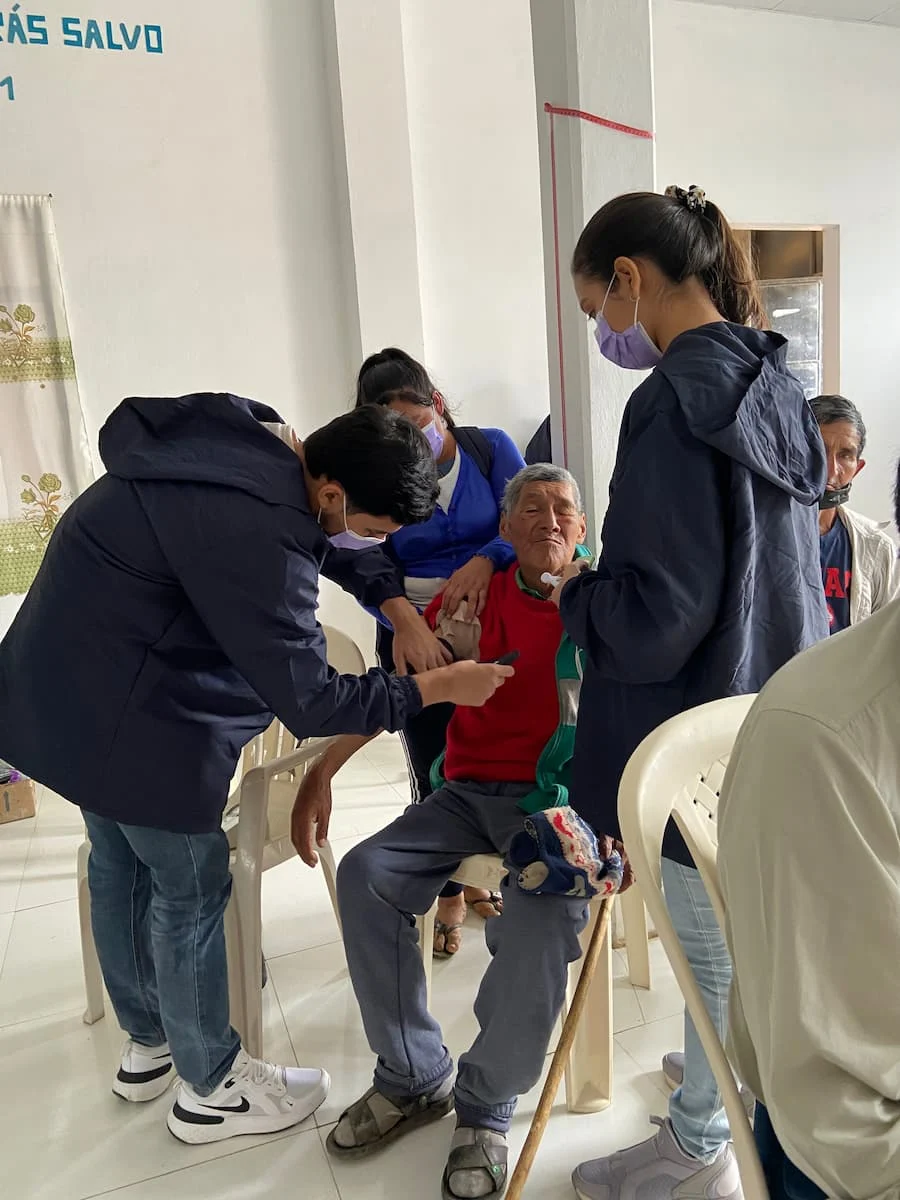
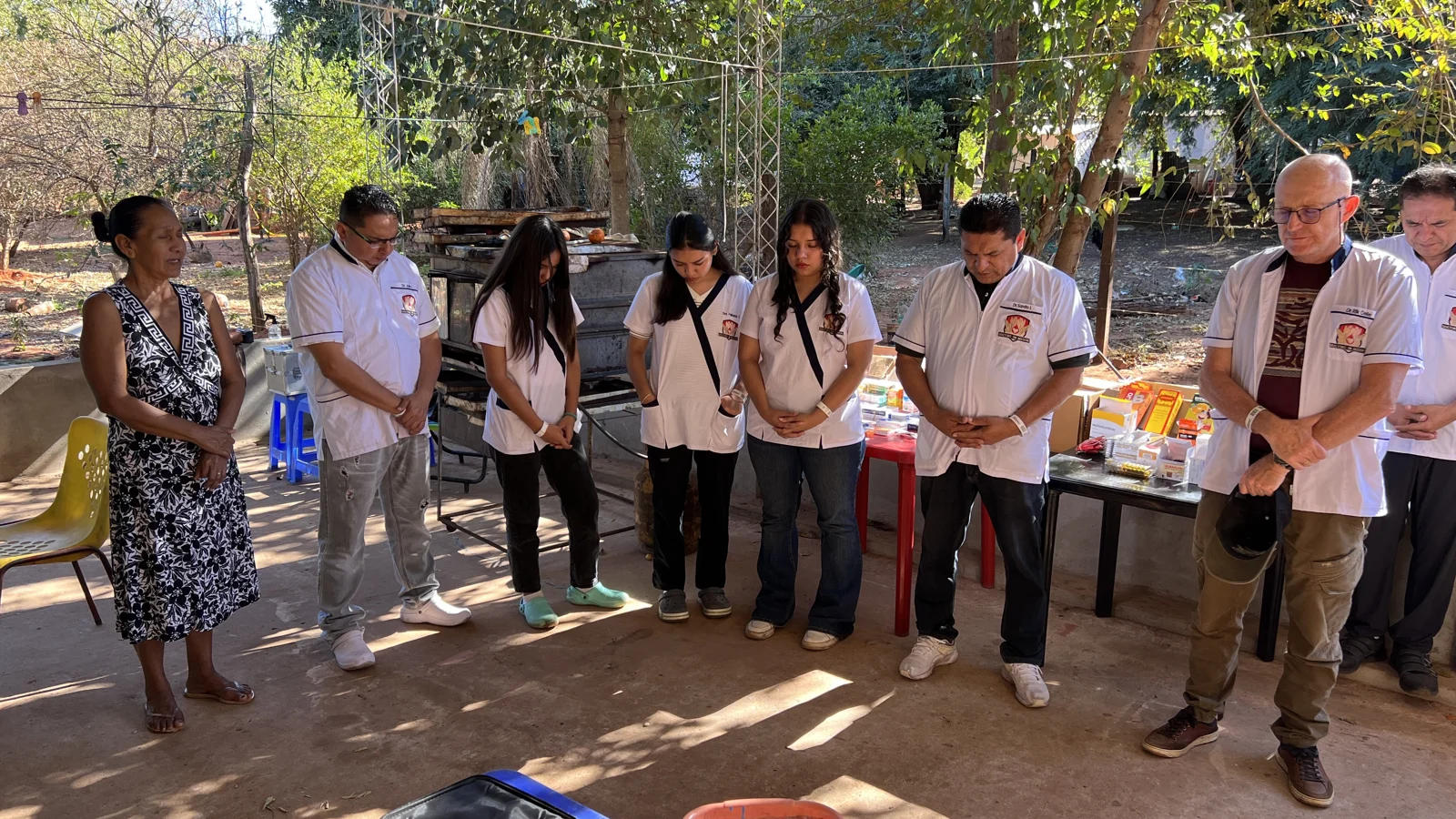
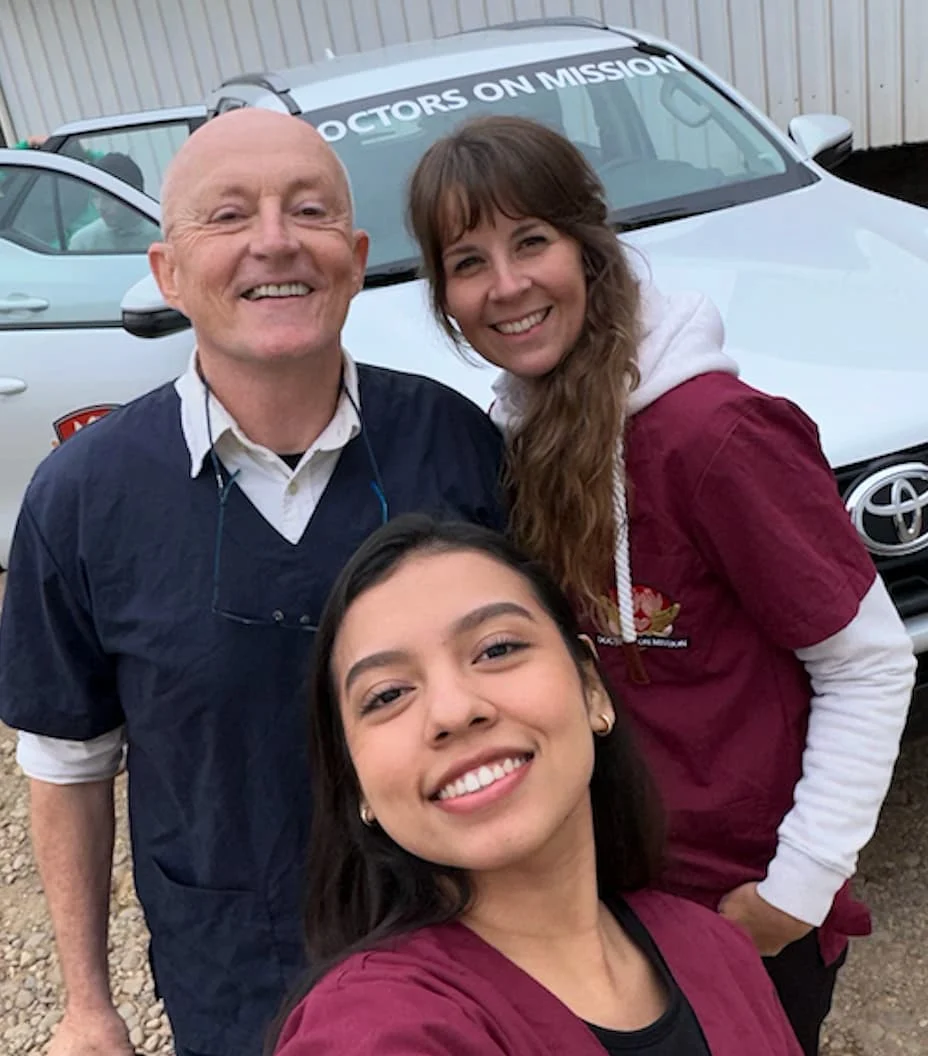
In the meantime I am myself working in Bolivia. We went on a medical outreach into the Bolivian Amazon, hot and thick with mosquito and insect bites, where we could still provide the necessary medical and pastoral care. Then we went to our clinic in Tarija, in the south, which is running fine: our doctors Ino, Victor Hugo and Ester do what they can for the people who come, and Dr. Besabe sees many poor patients every day at our mission base in the Andes at Yamparaez, about 500 kilometers north of Tarija.
I have just returned from an expedition to Paichu in the Andes, where we first brought in doctors, nurses and dentists almost 10 years ago. The cooperation with the local health authorities there has always been optimal, and a medical health care center and a church have since been established. Dr. Ino, Dr. Ester and I came to help Dr. Oscar, who lives and works there, cover care for mother and child across the whole region. The local authorities thanked us extensively and underscored how many lives our doctor(s) and our ambulance have saved there in recent years, all of it made possible through your donations.
Pr. Romulo's church in the Andes, destroyed by an earthquake at Abra K'asa, has been rebuilt thanks to some special gifts for this cause. A first couple has already been married in the church, even without a real floor, windows or doors.
In the next letter I will elaborate more about Haiti. My plan is to go to Haiti once the mission in Bolivia is finished. However, I have also heard about the tragedy in the Philippines, and I am in contact with a friend who is Director of Remember the Poor, and also with Physicians for Peace, both located in the Philippines, where many affected islands have still not been reached.