Our Pakistani team put their hands together and set up an emergency helpline to reach unreached Nepalis in the mountainous regions near Pokhara, hit by the earthquake. Parvati Shrestha, 32, is the wife of Bijay. They rented a small one-room house on a steep slope in a remote mountain village, but could not keep up with the rent, so Bijay went to work in Malaysia hoping for a better future. Parvati stayed behind in Sunkhani with their son Isaac.
Black Sunday
Parvati left church with Isaac at her hand and walked back to the village. It was nine o'clock in the morning. She planned to keep sewing with the machine she had received through a donation. Suddenly the ground shook fiercely beneath her. Large boulders thundered down toward the rented house. She and her son fell into the ravine. Something broke her fall. She lay there motionless, and watched a neighbour fall into the abyss before her eyes, dying a few hundred yards below, groaning in pain.
Parvati wanted to flee but could not. Rock had crushed her legs, and they were bleeding badly. Isaac wept constantly; his feet were crushed too, under the debris. Around them lay the bodies of friends and family who had not made it. There was no water, no food, no medicine, not even a simple painkiller like Tylenol. Two days later a helicopter picked her up. The doctors told her there was nothing else to do but amputate both her legs. The next day she saw Isaac: his left foot and three fingers had been amputated too.
Stories like this reached our Pakistani team and moved them to reach out to their neighbours in need. A logistics helpline was set up. Everything was needed: water, food, medicine, tents. Through small church communities, our team in northern Pakistan could reach places international aid could not, until the extra donations that had come in ran out too.
Pakistan itself is suffering greatly too. We could do small things, like buying sewing machines for young widows, at about $40 each locally, so they could provide for themselves and their children. Many of their husbands were killed, not only through Al Qaeda and Taliban revenge against Pakistani minority groups over US drone attacks on their leaders, but ISIS is now present there too, recruiting many young people.
And yet there is hope. We can still bring hope to this damaged world, if everybody lets their heart speak and answers the call.
Take the wheelchair we could purchase for a disabled orphan in the orphanage of Robin Patras: it meant everything to that boy. Robin and Zara, who I worked with in 2011 and 2012, have their own struggles. They run the orphanage on almost no funds, and lost their own baby for the second time in two years: Benjamin, just three months old, died too because we could not get the antibiotics he needed in time. Some donations let us cover the funeral and emergency costs, and stop them selling their own wedding rings and the few belongings they had. If you belong to a minority group there, your life is of little value.
Haiti
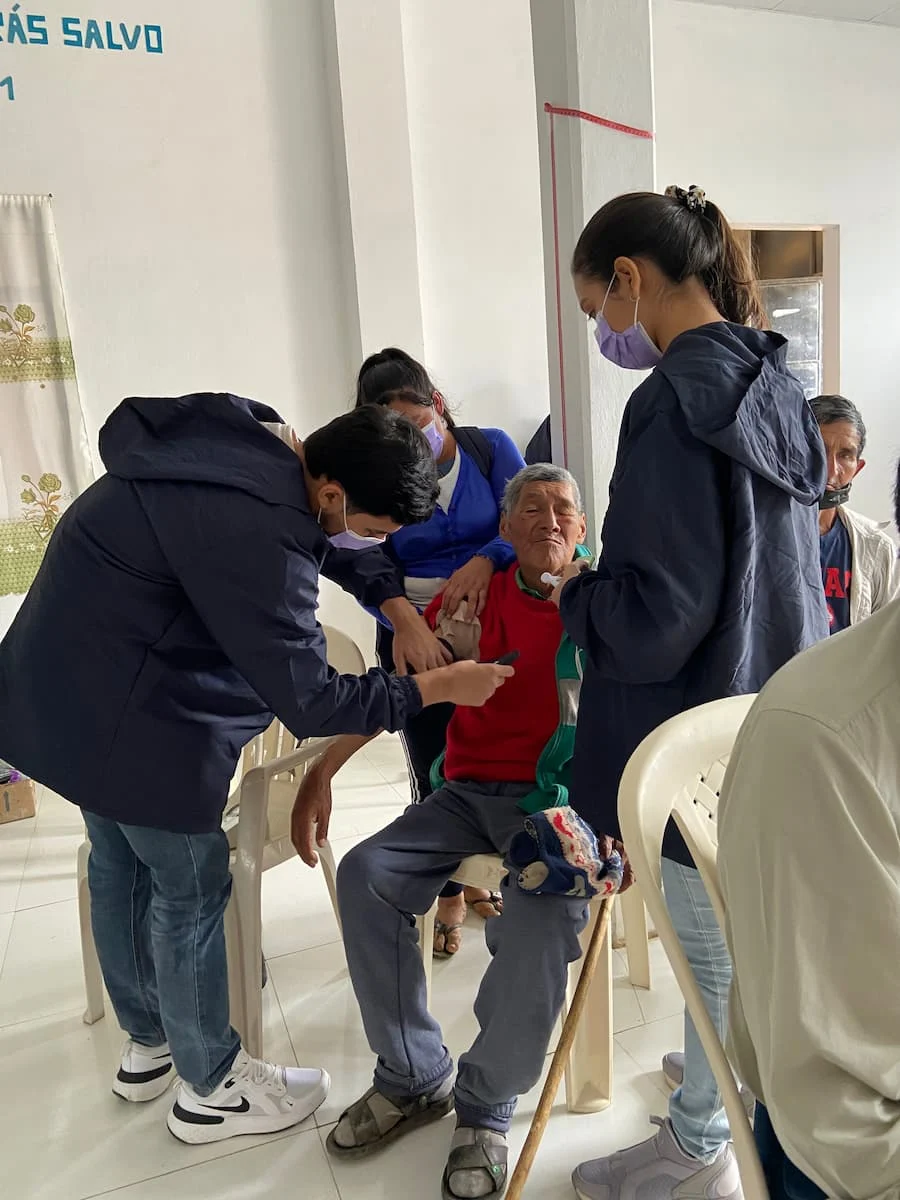
I first heard the news of the earthquake in Nepal as we came down from the Haitian mountains of Artibonite with our medical team, on rented motorcycles: a ten-hour drive through dust or mud, since the roads were inaccessible to a jeep. It was our second outreach there. Medical work without electricity or running water is difficult, but our team keeps doing what it can with what it receives, and we still hope for more food, chairs, tables, even a solar panel.
Bolivia
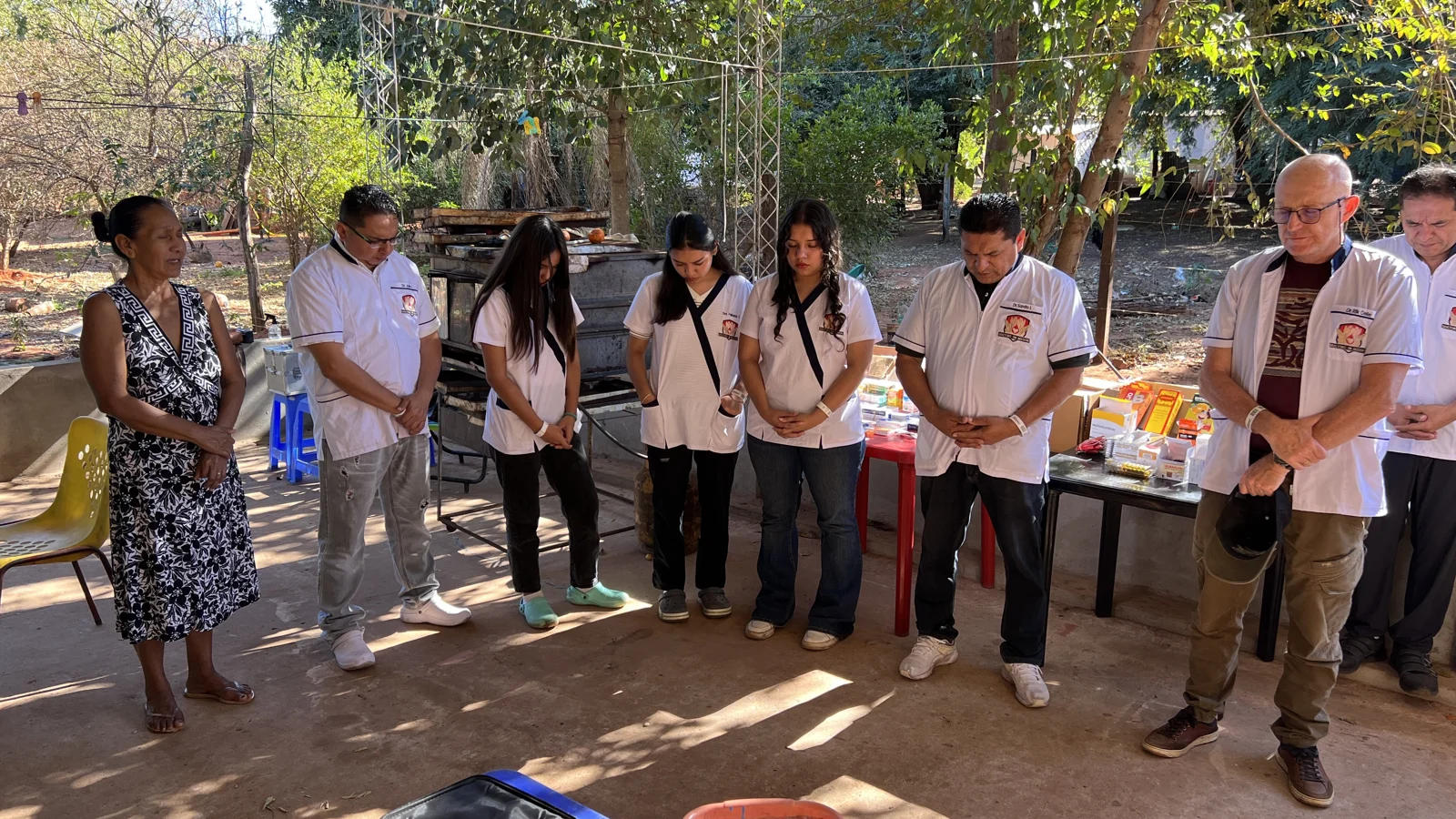
Hundreds of people could be visited and helped in the remote villages of Sausalito, Cruce Piraimiri and Piraiciti, villages often unknown even to Bolivians themselves. We bring the assistance, support and hope we can, and hope to keep counting on your ongoing partnership.