The work in Bolivia
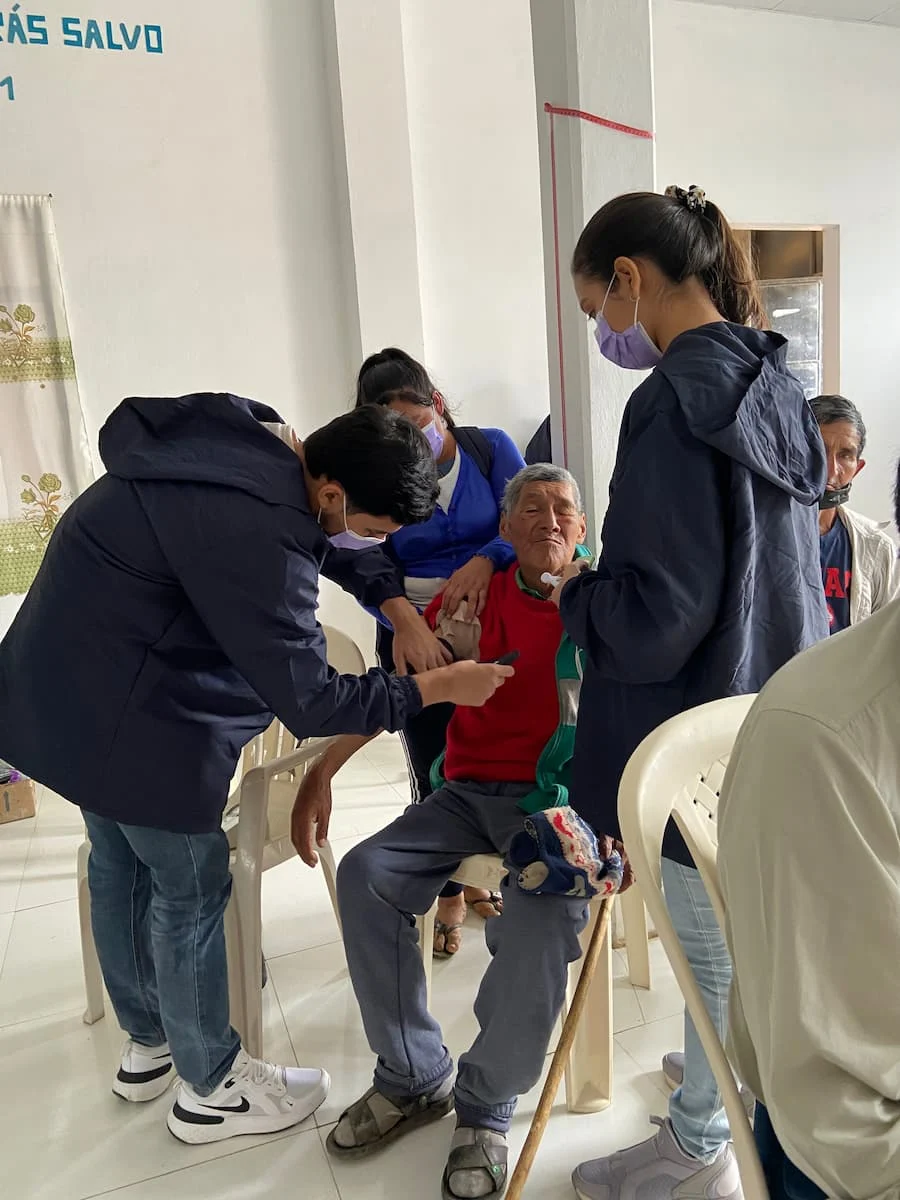
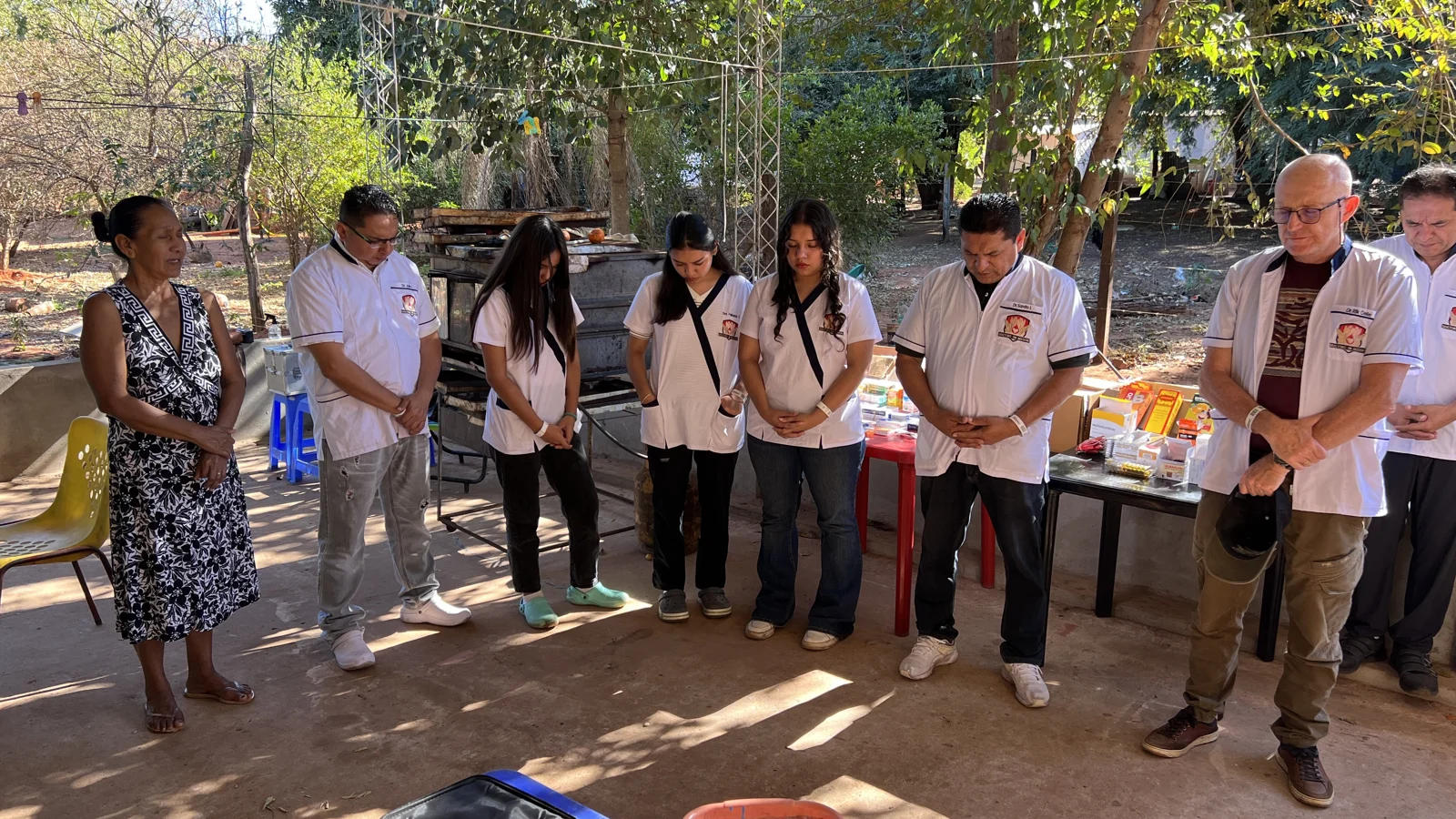
We had just completed a medical expedition to the Bolivian Amazon. Then we went to the Southern Andes where Dr. Oscar is still operating in the clinic we started in Paichu, and brought help to all the surrounding villages too. Pastoral assistance was given during the evening service, in the church we helped to build there more than 10 years ago.
The whole region came alive and has even received the attention of the Bolivian Government, who is now paying for some of our expenses. On the other side of the Andes, about 30 hours away, Pastor Romulo, my guide during the first years, was able to rebuild his church that was taken down in 2013 by a minor earthquake.
On November 8th, I found some housing in the maid's quarters in Dr. Ino's home. Nothing for me! But the main thing was that I had Internet and could follow up the Haitian and Pakistani teams. Dr. Ino and I were preparing a final expedition to the Guaranie region in southern Bolivia near the Paraguayan border.
Planning to go to the Philippines
I suddenly received there in that little room all kinds of messages regarding the catastrophe in the Philippines as Typhoon Haiyan was on its way. You know all about this because it was breaking news. I followed the Belgian B-Fast team from afar to see how they would react. At that time, I had not the slightest idea that I would be involved in this at all.
I was not planning to go at all. I always collect as much information as possible, seek God in everything and try to take the right decision at the right time. Then I got a sudden contact with WME, a ministry I have joined years ago. One of their missionaries, Clint Taylor, is doing a great work on Bantayan Island, which the eye of the Typhoon crossed after hitting Tacloban. There was no medical care on that island whatsoever.
Along with CNN and other media, almost all help went to Tacloban. But besides Leyte Island, there are 7,106 other islands in the Philippines. The question came quick: could I possibly do something? Dr. Ino, our local Bolivian Director, would continue the work himself, and helped me fill a huge old backpack with bandages, medicines and medical tools. WME donated the funds, and 48 hours later I was standing on the airport of Cebu Island with a 14 hour jet lag.
Arriving in the Philippines
We went first to purchase thousands of more medicines in a local Pharmacy with just $2,000, and then to the North of Cebu island, already seriously damaged. There we got on one of these boats where, hearing the words of Clint, hundreds of Philippines lose their life every year.
The situation on Bantayan Island and surrounding minor islands was terrible. There was great destruction of all those wooden houses; even concrete and stone houses were blown away. The winds had achieved speeds of 314 km/h, and this Typhoon will go in history as the one with the highest wind speeds ever recorded. You can't believe what such a storm can do even if you saw it all on TV. You need to stand there, be surrounded by people who are panicking and smell the bodies who are laying dead for days in temperatures above 100 degrees Fahrenheit.
The great, continuing need
The real medical concerns are the tens of thousands who remain severely injured and those who have no house anymore. The big problem is epidemic outbreaks long after the emergency teams have left and breaking news has become old news. We went from one village to another and saw around 100 patients a day. What struck me most was that I didn't meet even one other MD on the whole island, population over 136,000. Not a foreigner nor a Philippine Doctor. Only one nurse, the daughter of a local pastor, was able to help me, and only at one location. So I needed to set up my own team again and again, teaching them to take blood pressure, notice names and symptoms and pass them on to me.
Running out of medicine
The entire preparation in a certain village took only 20 to 30 minutes, and then suddenly, I ran out of all of my medicine. Then I found a church where people told me that some boxes had arrived and that they thought that these were probably medicines. I couldn't believe it at first. Who sends boxes of medicine without being certain that there is a Doctor? But it was true. They were sent by Compassion International.
Open these boxes and let's use everything that's in there.
And so we could continue to work day after day until it became dark. The worst situation with disaster relief, as I see it, is that all emergency teams come and leave within a few weeks. There's a saying: CNN leaves and everybody leaves, and help drops down to near zero.
Pakistan, and back to Haiti
When I finally returned home for the Holidays, I wasn't able to do anything. During Christmas and New Year I spent more time in bed than ever, still with the laptop, because N. Pakistan kept my attention as the Taliban is waging a war in the region we work. Next week I will be in the interior of Haiti, where we need urgent help in purchasing medicine for our clinics. I am helping 100 orphans and more than 200 are waiting.