I'm back in Bolivia after being "recovered" from some demanding medical work in Haiti's interior. However, while I am here in Bolivia, Haiti's emergency cries remain.
Haiti's emergency cries
There is a repeated "call" of our Haitian team manager, especially about the need for a small village in Haiti called Gervais, where I worked last summer. The children, along with adults and the elderly, are really hungry, and there is also a chronic lack of medication that we cannot afford all the time. I have already transferred some much-needed extra support in the hope that the so needed funds will come in.
I also just got contact 24 hours ago with our Board and I am very thankful, as we got a first designated fund of $3,500.00 for the $15,000.00 we need to have at least one second hand 4*4 Jeep to continue the ministry in Haiti. The sad news although is that the Haitian ministry is in danger because we can't keep up with the daily running costs. This would be dramatic for the Haitian inland people.
The tribes in the Amazon area
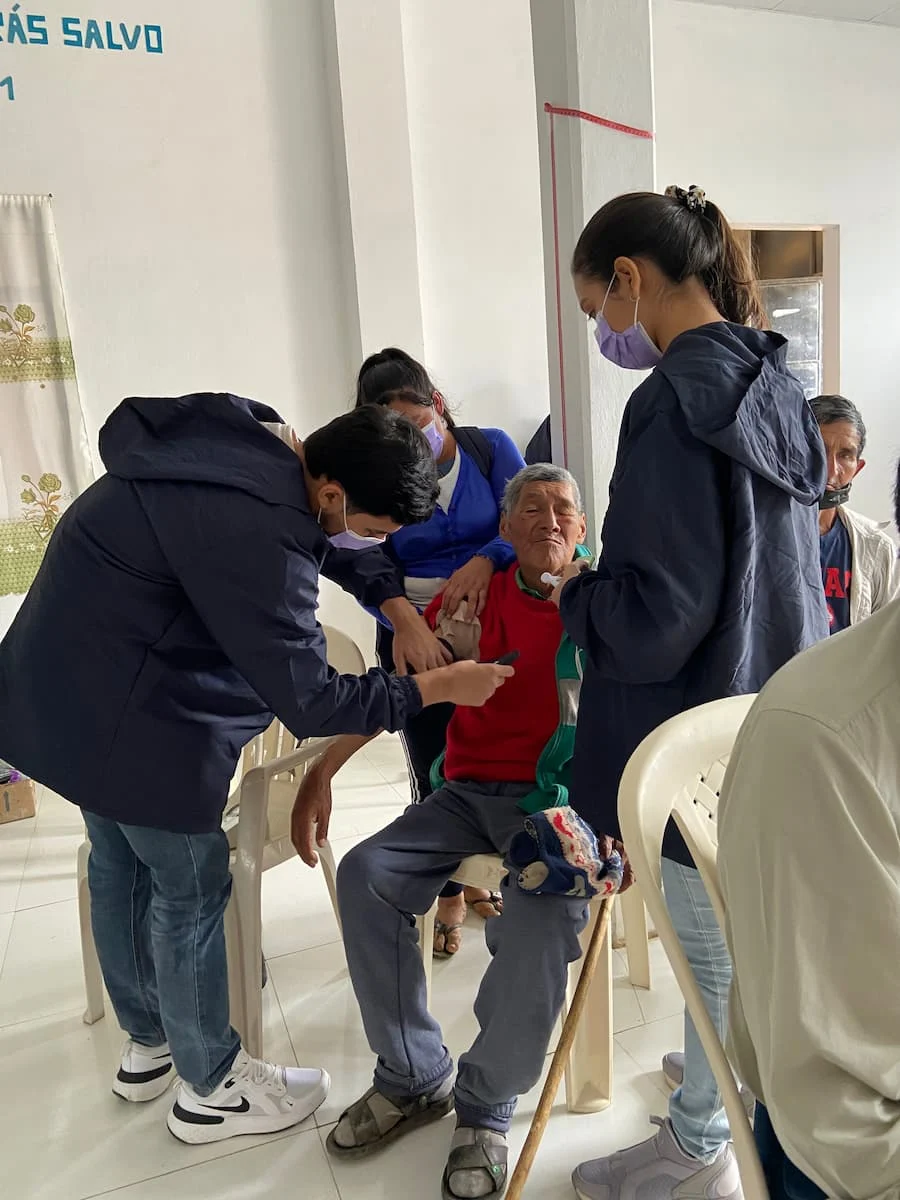
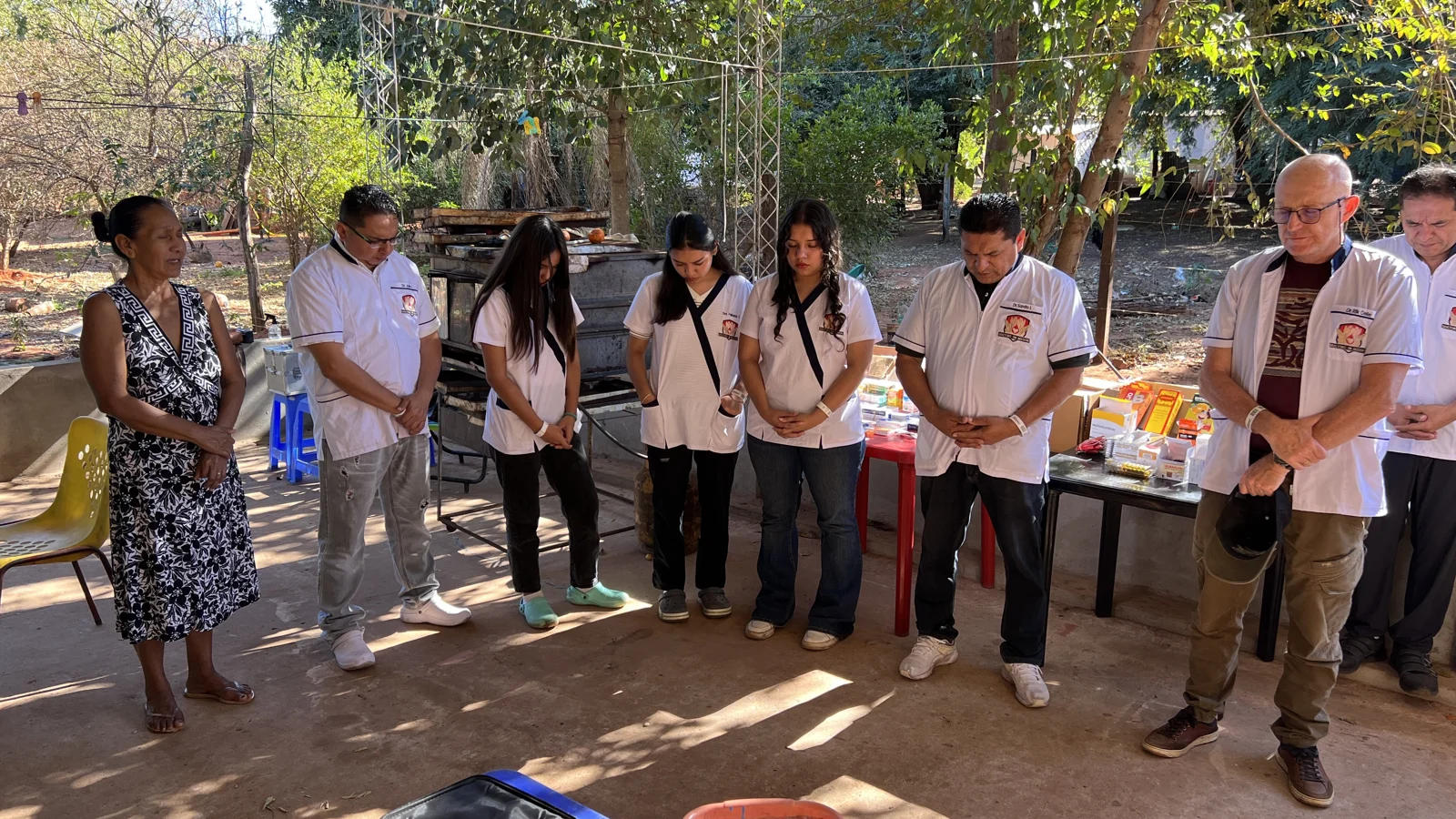
Here in Bolivia there is a real problem that came into existence regarding neglecting the "Indians" tribes in the Amazon area, where medical needs are great. We needed to buy again a lot of medicines and medical equipment in the city to be able to go once again to these far a way places that have no Internet, electricity or running water. We just came back from some of these tribes (Aeoreo's and Chiquitanas). I myself am suffering from Pediculosis (louses with lot's of itching) and Parasitosis (diarree) but didn't have time still to treat myself.
We bring critical help with our Medical teams there to give a lot of smaller tribes in this region a change to survive. This region is about 25 times larger than Belgium. It sometimes feels like fighting against the wall, doing this work for more then 2 decades. At the same time we are well aware that every human life we can save is worth the effort.
Every life is unique and valuable and it's so important to reach every group in need.
The country of Bolivia
The Bolivian population is estimated at 10.6 million and multi-ethnic. The country is about 36 times larger than Belgium and is enclosed by five countries: Peru, Brazil, Paraguay, Argentina and Chile. Several wars caused Bolivia to lose access to the Ocean, and periods of political instability, dictatorship and economic misery followed. This way, Bolivia became the poorest country in South-America.
The current Aymara President Evo Morales, who is already for more than 10 years in power, brings more structural help to the Andes population (Quetchua's or Inca's and Aymara's), but the area that leads to Brazil is getting virtually no help. There are still 33 other nomadic groups in East Bolivia, endangered by poverty. According to the UN Development Program, 64.6% of the population lives below the poverty line. In the inland, this % must be about 100.
Who are we?
Since a first "wake up" call in 1986-1987 during a 6-month medical internship in the poor state clinics of Sta. Cruz, I could guide many local medical teams to area's where no doctor has been. We kind of copied this Bolivian work in the interior of Haiti after the Earthquake that took more then 250.000 lives, and the Cholera epidemic (2010) which took the life of about 20,000 children.
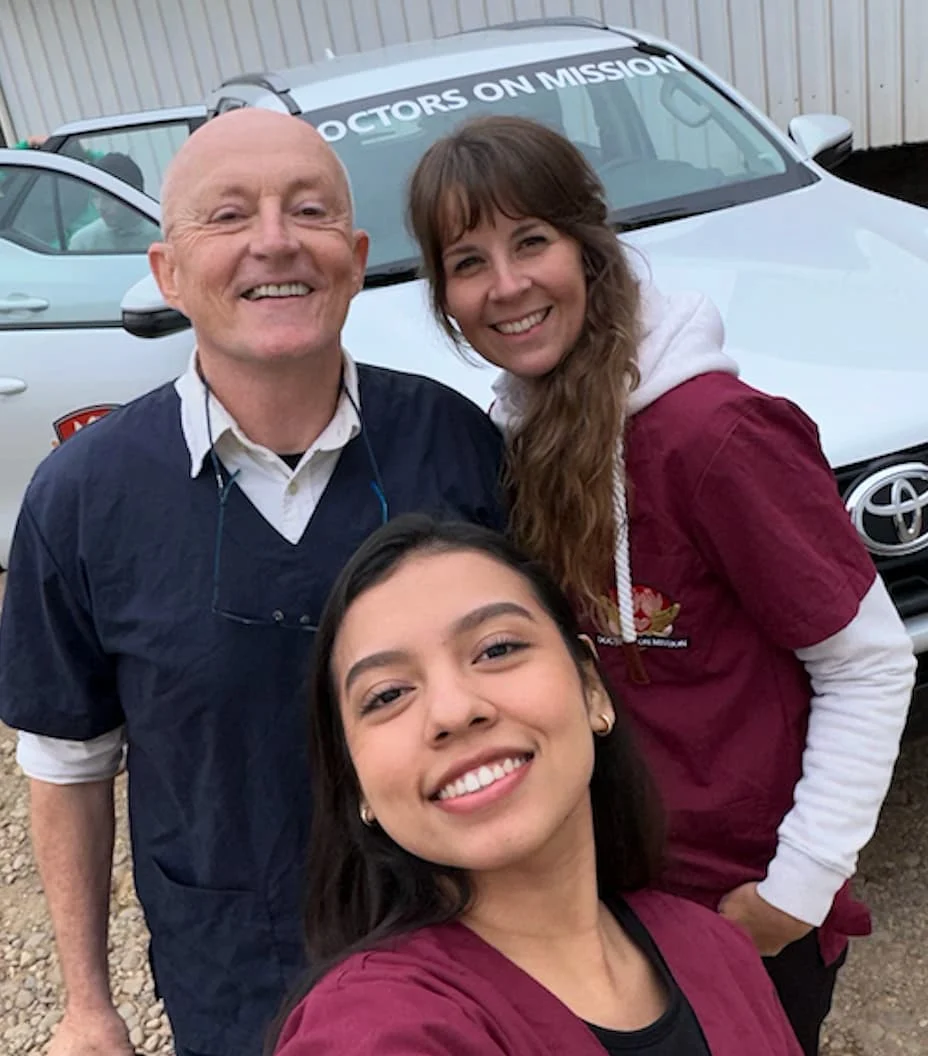
Almost everywhere I come, as a Caucasian Western doctor, I draw mostly young local doctors and nurses like a magnet, because they want to help their own people. With the help of Doctors On Mission we set up teams and bring them back to their place of origin deep in the interior.
Numerous rather small clinics have been set up in all these years, first in Bolivia and then in Haiti, as well as an orphanage in Haiti that unfortunately was destroyed by a hurricane (Matthew) in 2016. More then a thousand died in the region but all orphans survived. The "call" is to go where there are no doctors present, and we don't want to leave anybody behind.