Haiti
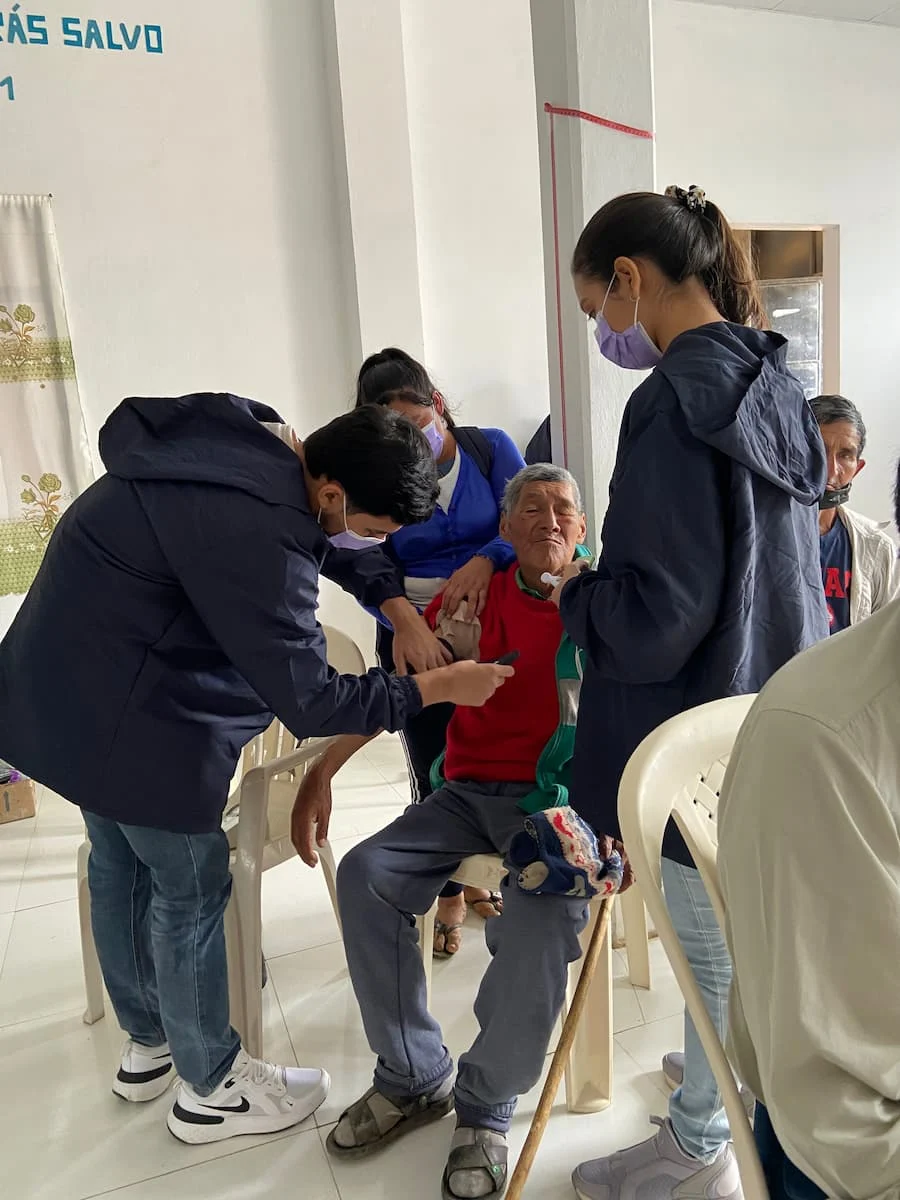
Recently we have done a lot of work with our medical team in very difficult accessible mountainous areas in the interior of Haiti. Reaching these isolated places is already an immense task. These are places where I never found any form of medical help. The tracks are in a very bad condition, very steep and slippery, certainly when a sudden tropical storm comes our way.
And yet we see great results, and so much joy and gratitude again and again when we go to those places where medical help is not seen. If I ask when the last medical team came, they always point to us, even if we weren't on that place during months.
Currently, Manceau and the surrounding villages are seriously affected by lice, scabies and fungal infections, all very contagious skin diseases. On top of it, due to the pain and the immense itching, the many scratches provoke bacterial infections. At least 80 to 90% of the children are affected. We need to treat at least a 1,000 children with rather expensive medicines as Ivermectin and Metronidazole. Most of the children and elderly die of lung and abdominal infections that could be rather simply avoided by an earlier treatment with antibiotics. Their immunological system has already been severely weakened by malnutrition, which makes the progression of a simple throat infection to a pneumonia much faster and worse.
Bolivia, between the fires
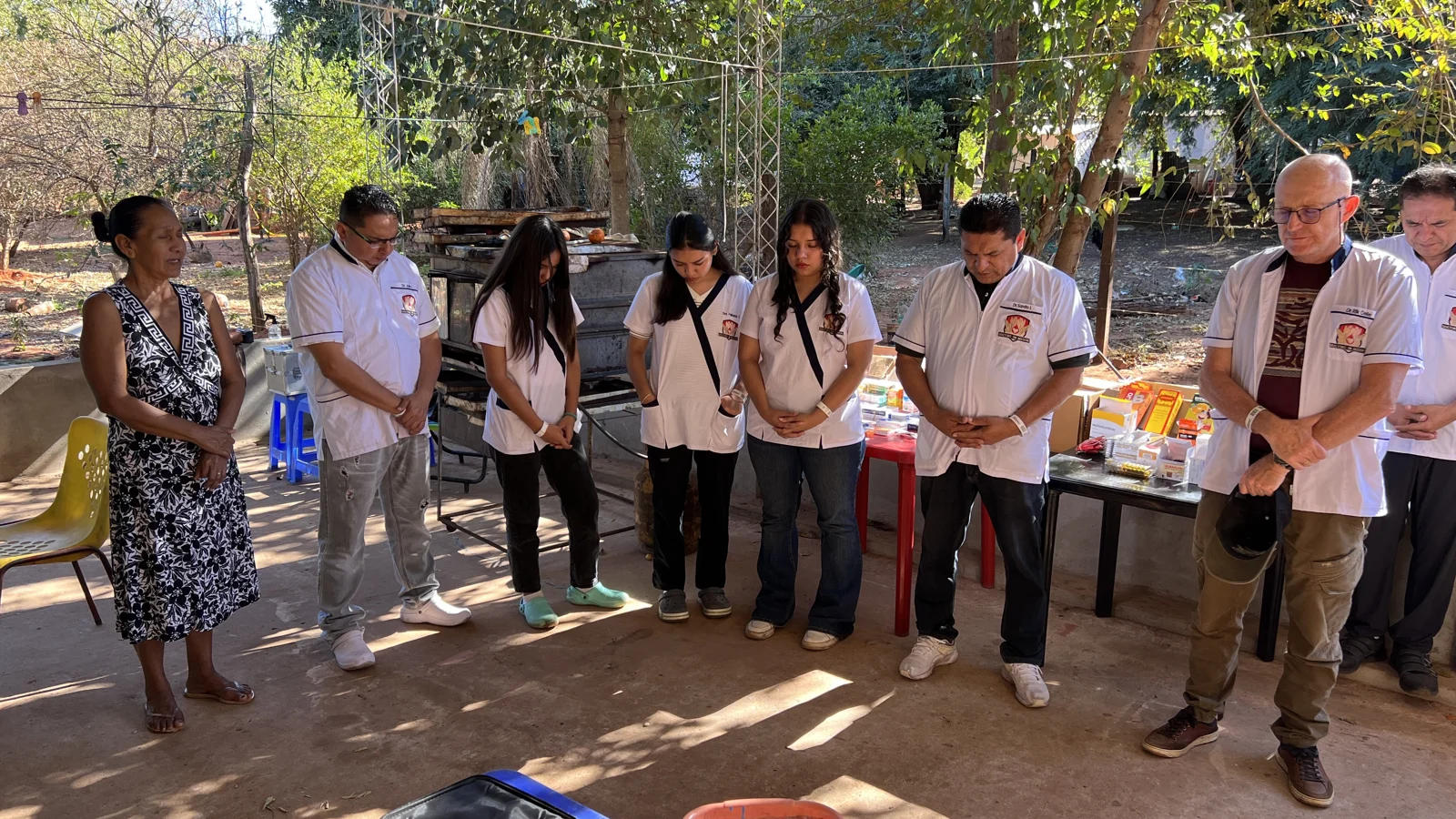
Then we went to Bolivia, where we reached villages that were located between thousands of wild fires. Sixty-five percent of Bolivia belongs to the tropical forest, and we have been working there in many villages during the last 10 years. With some calculated risks, we reached these indigenous villages. The disaster was unseen, as more than 3 million hectares of forest were destroyed only on the Bolivian side of the Amazon. It all happened after a 5-month drought and people trying to get back more fields for economical and political reasons.
About 30 million animals have died and even more are suffering terrible burns. Still worse, almost nothing is known about the number of deaths among the indigenous population, 33 Indian tribes, as the Bolivian government hides many figures. Fortunately, many villages have built large sand dikes and roads around their villages to stop the fire from spreading.
Our medical expedition was a great blessing, all the more because of some sudden rainstorms during our outreach. Suddenly, the temperatures dropped from over 110 degrees Fahrenheit to an unseen low of 55 degrees. Such low temperatures are unheard of by the locals. So we arrived with a blessing of rain, with medication, creams, bandages, clothing and food, and many could be helped. We were deeply touched when, at the end of the help offered to one of the villages, an indigenous chief was moved to tears and expressed his gratitude to our team. Till then, nobody had gone to help his village.
Dr. Ino
When we finally arrived in the Bolivian Andes, I heard that my friend Dr. Ino, 55, had suddenly died. He died of a cardiac arrest after years of struggle against the deadly Chagas disease. This illness had completely undermined his body in the last year and a half. No one could have suspected how serious it was, because he himself did not really reveal his suffering.
I suddenly had to say goodbye to a friend with whom I cooperated intensively since 1993.
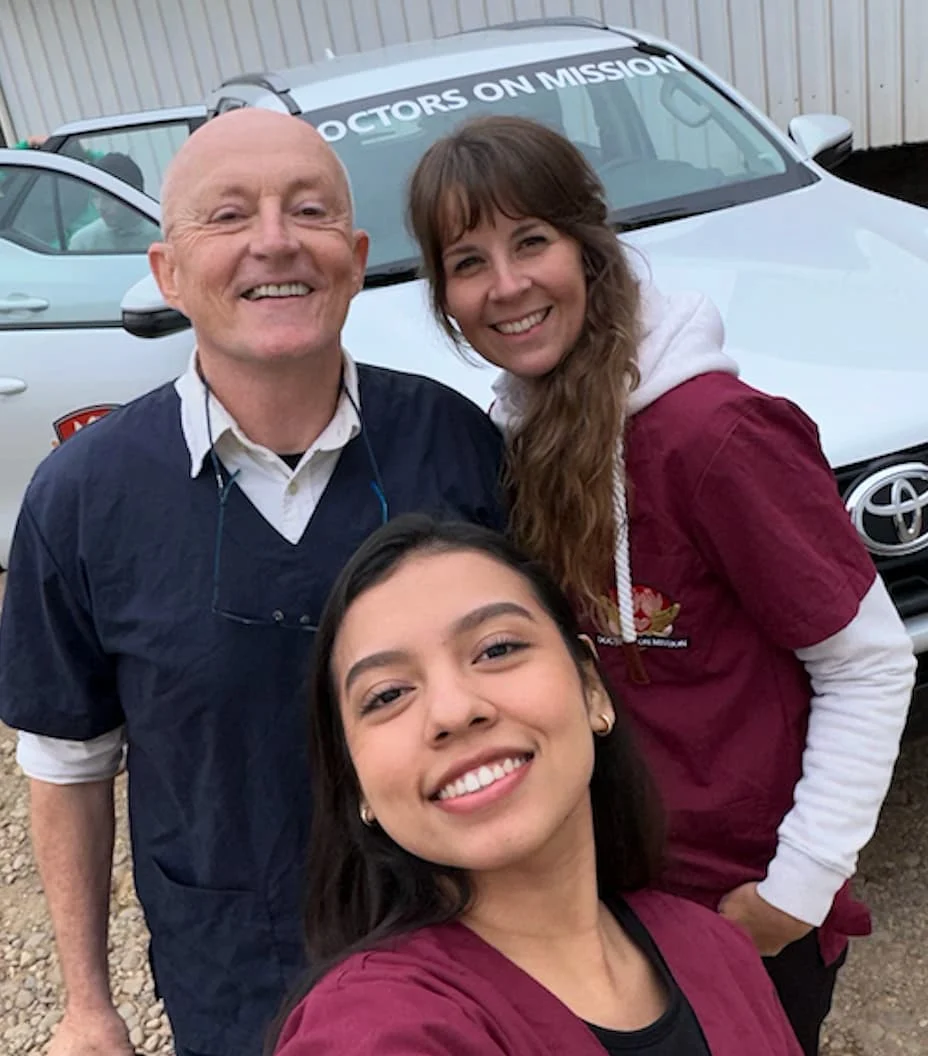
My grief was great. Carolien and I rushed to Tarija in South Bolivia to attend his funeral. Dr. Ino leaves behind a woman and three studying children. As a local volunteer doctor, he left no savings behind.
Furthermore, we have one seriously ill young man of 40 suffering from ALS. Benjamin, the brother of one of our employees from our Andes base, is a young father who will probably leave behind his wife and two studying children in a couple of months. We hope that some gifts will come in to help these families.