Where the commitment began
Dr. Rik Celie founded the mission in September 1990. He began in the Bolivian interior, among Quechua communities that the health system had never reached.
Initially called Salud para Bolivia, the mission later became Face the Challenge before taking the name Doctors on Mission. Rik’s childhood interest in the work of Albert Schweitzer and David Livingstone had helped shape that commitment.
Relief was a beginning
The work later extended to Haiti after the 2010 earthquake and northern Pakistan after the floods of 2011. Emergency relief became a starting point for training local medical teams and establishing bases from which care could continue.
The mission chose inland communities beyond the large cities. Teams travelled by river boat in the Amazon, by motorcycle in Haiti and on horseback through Bolivian valleys. Where vehicles could go no further, they continued on foot.
Local knowledge, lasting care
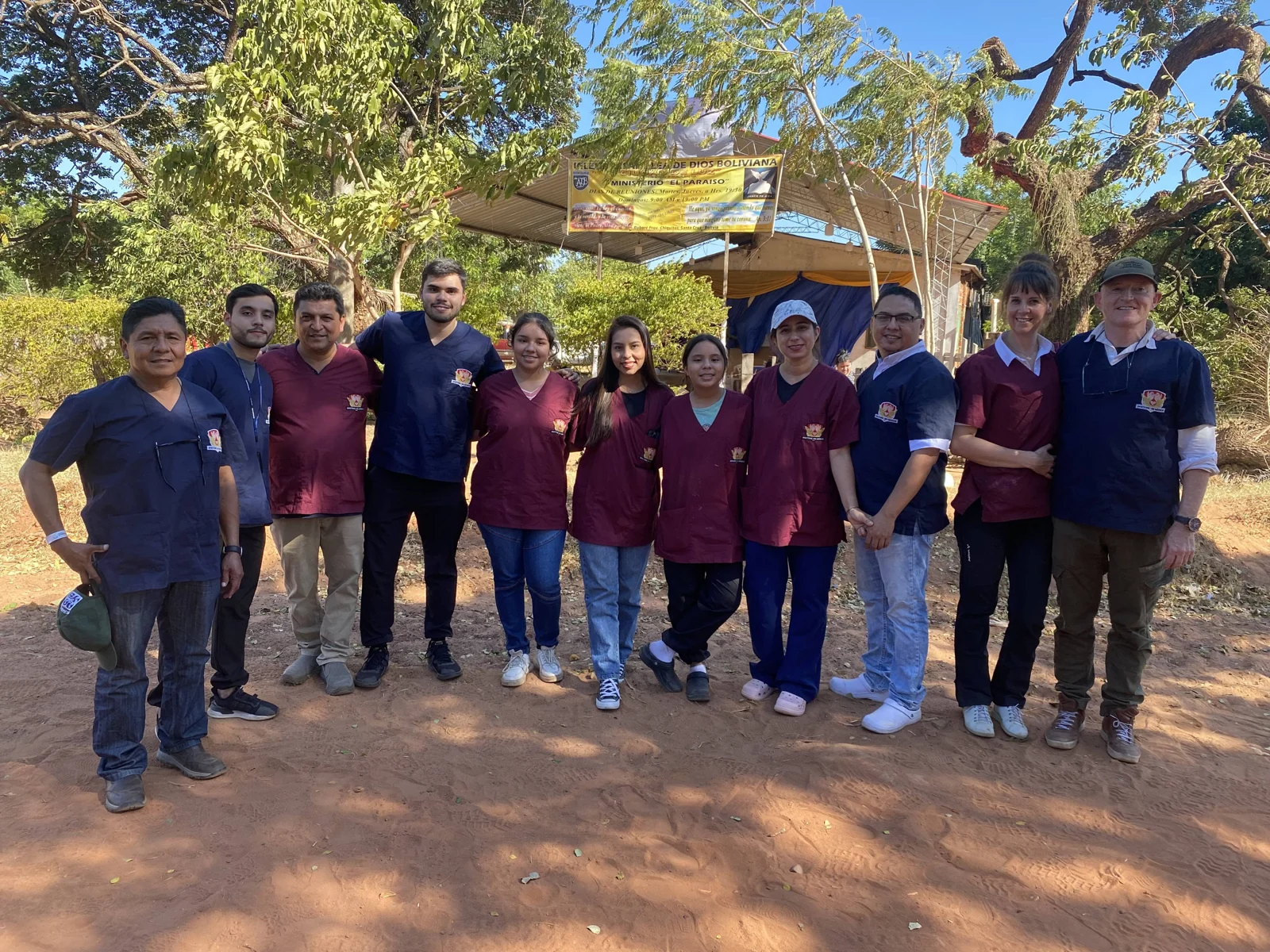
The mission works with local doctors and nurses rather than relying on visiting Western teams to provide routine care. They know the language, the culture and the places where help is needed. Rik and visiting specialists provide additional training.
Doctors on Mission pays the teams for work that would otherwise bring them no government salary. Supporting their income allows them to care for people who cannot pay, while providing for their own families.
Care needs more than willingness
Medicines, equipment and reliable transport allow the teams to put their skills to work. When a patient needs treatment beyond what a mobile team can provide, the mission also helps with hospital referrals and their costs.
After costly customs delays and losses in 2003–04, the mission turned to locally available medicines through WHO stocks. Equipment and transport were also bought locally, or in a neighbouring country when necessary. This history shaped a practical approach: resource the people doing the work.